






Finance That provides Canadian business owners, contractors, farmers, and fleet operators with access to equipment leasing solutions across all industries offering full-value lease coverage, flexible term structures, and end-of-term options built around how your business actually operates. Whether you’re acquiring a single excavator or outfitting an entire production facility, we have a commercial equipment leasing structure that fits.
Lease applications reviewed and structured within 24–48 hours, subject to credit and underwriting review.
Whether you’re purchasing personally or for your business, Finance That makes it easy to apply and get approved with flexible financing options tailored to your needs.

*Rates vary based on credit profile, asset type, and lender approval.
By submitting, you agree to be contacted by Finance That via SMS and email about your application. To provide financing options, we may review your credit profile using a soft check that does not affect your score. You can unsubscribe anytime.
Equipment leasing doesn’t have to be complicated. At Finance That, we’ve built a three-step process that gets Canadian business owners from application to equipment delivery as efficiently as possible.
Complete our secure online application with basic business details: legal business name, time in business, estimated monthly revenue, and the type of equipment you're looking to acquire. No lengthy paperwork upfront. No obligation.
Our team reviews your application and presents you with a lease proposal tailored to your industry, equipment type, and deal size. You receive a proposal including rate, term, and end-of-term options, typically within 24 to 48 business hours.
Once you accept a proposal and complete the documentation requirements, the equipment is purchased from your supplier and you begin making scheduled lease payments. At the end of your lease term, you choose how to proceed based on the options built into your agreement.
In a standard equipment lease, the leasing company (lessor) retains legal title to the equipment while you (the lessee) use it under contract. You make fixed monthly, quarterly, or seasonal payments over an agreed term. At term end, depending on your lease type, you may purchase the equipment for a pre-set residual (often $1 in a capital lease), return it, renew the agreement, or trade up to newer equipment.
Ready to start? Apply online and receive your lease structure within 24–48 hours.
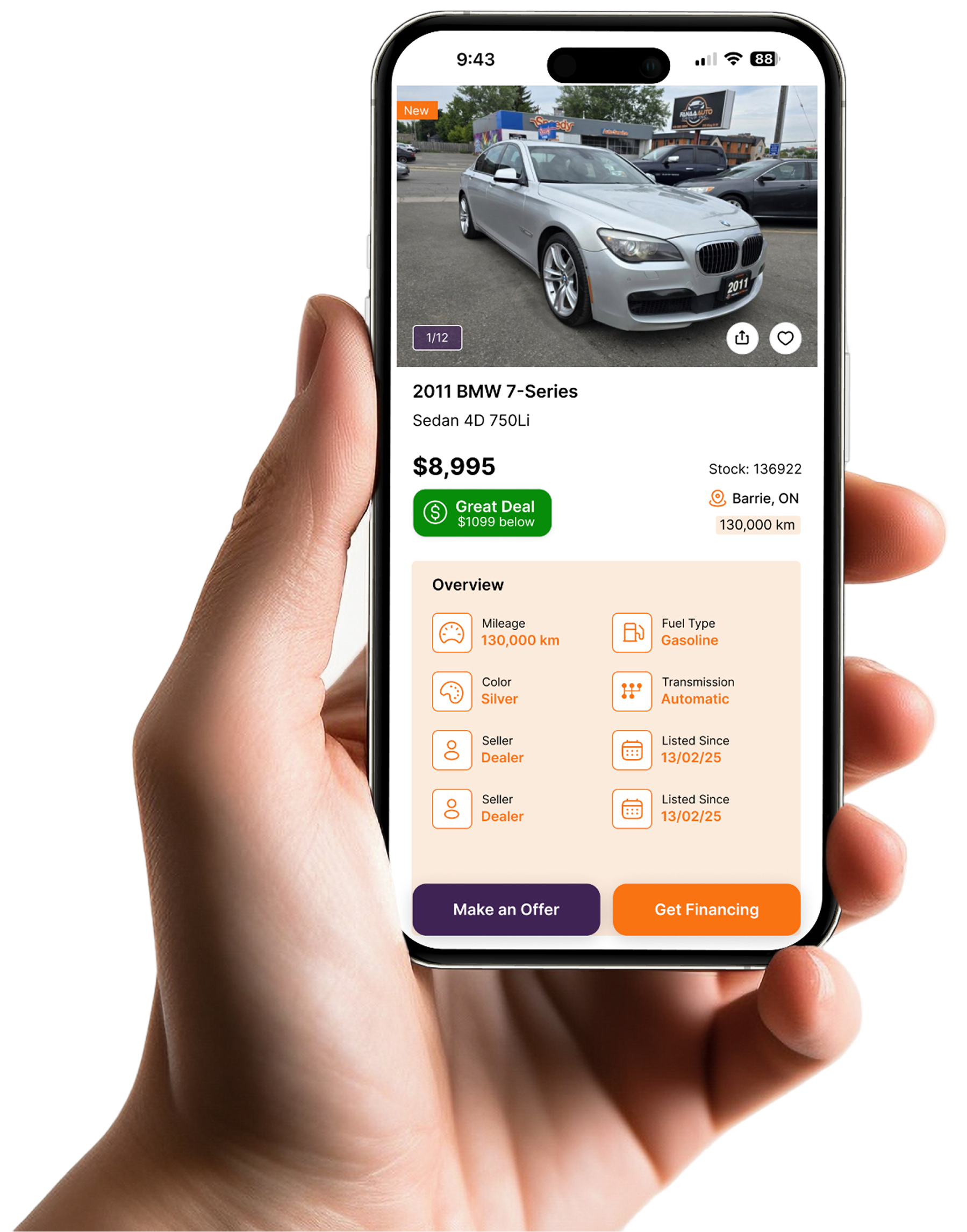
Browse cars, trucks, ATVs, RVs, and commercial equipment, all available with fast, flexible financing through the Finance That Marketplace.
Compare, and apply for financing in minutes, directly from any listing. Whether you’re purchasing personally or for your business, we make it simple to get approved and move forward without the back-and-forth.
Your business needs equipment to grow. Whether it’s construction machinery, commercial vehicles, medical devices, or industrial equipment, acquiring assets outright creates capital allocation pressure that constrains the rest of your operation.
Equipment purchases often require $50,000 to $500,000+ in immediate capital, leaving little buffer for payroll, inventory, or unexpected expenses.
Large upfront equipment costs rarely align with the revenue cycles those assets generate. Businesses acquire the asset today but realize the return over years, creating a structural cash flow mismatch.
Capital locked in owned equipment is capital unavailable for higher-return deployment — new contracts, inventory build-up, or market expansion.
Equipment leasing realigns the cost of access with the revenue that equipment generates, preserving capital for the decisions that drive growth.
Finance That provides commercial equipment leasing programs for Canadian businesses across all industries. We structure lease terms aligned with each asset’s useful life, with payment schedules customised to your operational and cash flow requirements.
We structure capital leases, operating leases, sale & leaseback arrangements, and lease-with-purchase-option programs. Each lease is structured around your equipment type, business profile, and end-of-term strategy — not a one-size-fits-all template.
Commercial equipment leases are secured by the leased asset itself, which means approval is driven by the asset's value and your business's operational profile, not existing collateral or credit lines.
Lease payment schedules can be structured as seasonal, deferred-start, step-up, or blended arrangements to match your revenue cycle. Soft costs including delivery, installation, and applicable taxes can often be incorporated into the lease amount.
We serve businesses across all Canadian provinces, with direct experience in the equipment leasing requirements of Ontario, Alberta, British Columbia, and Quebec.
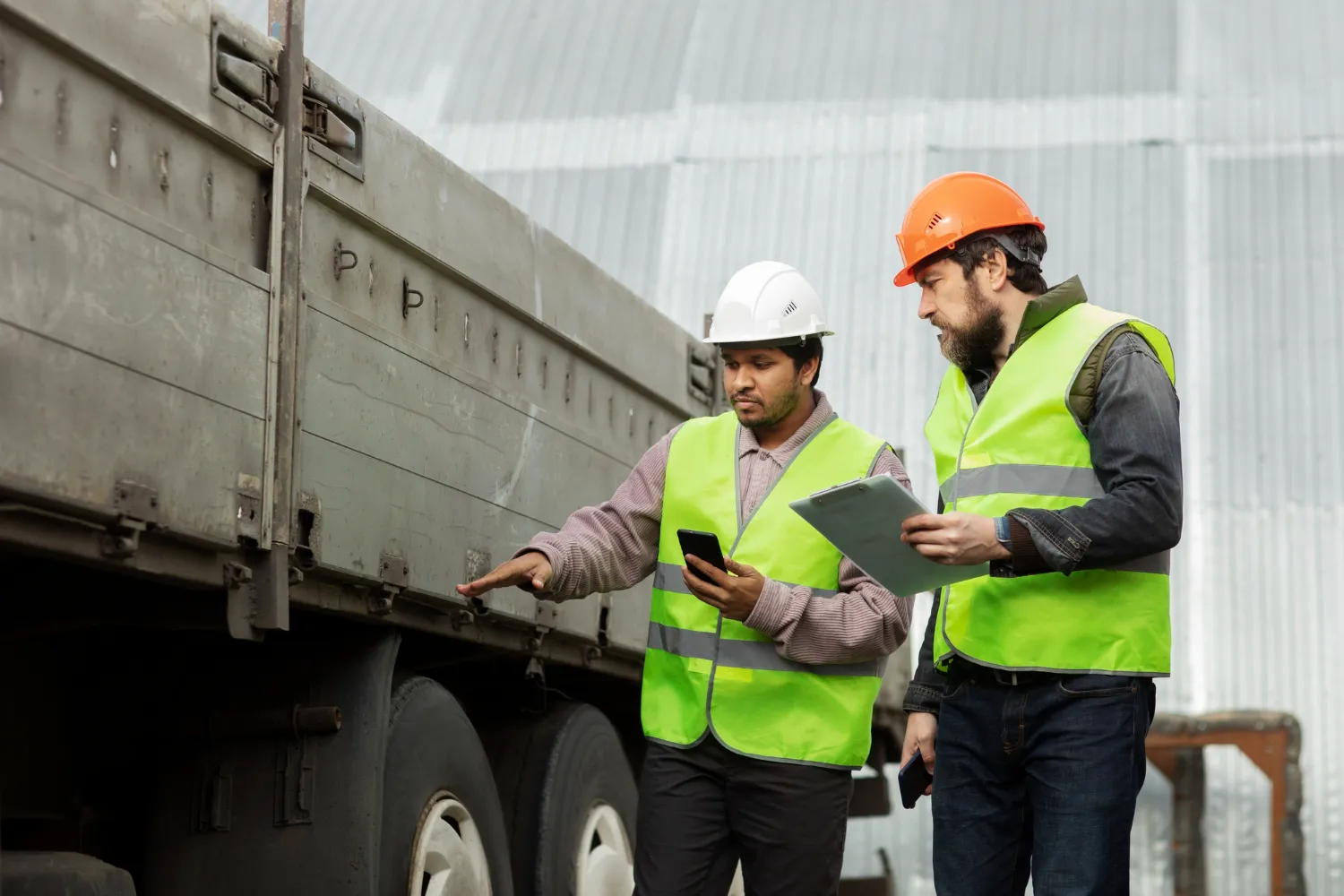
Finance That provides four core lease structures. Our leasing specialists determine which option aligns with your equipment type, useful life, cash flow requirements, and long-term business strategy.
Build equity with a path to ownership
A capital lease is a lease-to-own structure where fixed monthly payments are made over the agreed term, with ownership transferring at end of term through a $1 buyout or nominal purchase option. Because the asset and corresponding obligation are recorded on the lessee’s balance sheet, the equipment is eligible for Capital Cost Allowance (CCA) deduction.
Best for: Construction equipment, manufacturing machinery, commercial vehicles, and assets with 7–10+ year productive lives.
Maximum flexibility with residual value managed by the lessor
An operating lease provides full operational use of equipment through structured lease payments, without ownership transfer at term end. The lessor retains the residual value of the asset at lease conclusion. Under ASPE, qualifying operating leases may be treated as off-balance sheet arrangements. At term end, options typically include equipment return, upgrade to a newer model, or lease renewal.
Best for: Technology equipment, diagnostic and medical devices, and any asset class subject to rapid advancement or functional obsolescence.
Convert owned equipment into working capital without disrupting operations
If your business holds equipment on its balance sheet, a sale & leaseback arrangement allows you to transfer ownership of that asset to the lessor at fair market value (FMV) while immediately leasing it back under a structured agreement. Operations continue without interruption. The transaction converts an illiquid fixed asset into deployable working capital.
Best for: Businesses with equity tied up in owned equipment, companies undergoing capital restructuring, or operations requiring immediate liquidity without asset disposal.
Strategic flexibility at end of term
A lease with purchase option provides operational use of equipment throughout the lease term with a defined right to purchase at end of term. Unlike a capital lease with a $1 buyout, the purchase price under this structure is typically set at FMV or a predetermined percentage of original cost, giving businesses the ability to evaluate equipment performance before committing to ownership.
Best for: Businesses evaluating equipment before long-term commitment, or those wanting to retain upgrade flexibility while keeping a purchase path available.
Not sure which structure fits your business? Our leasing specialists review your equipment type, business structure, and cash flow requirements to recommend the most appropriate lease solution.
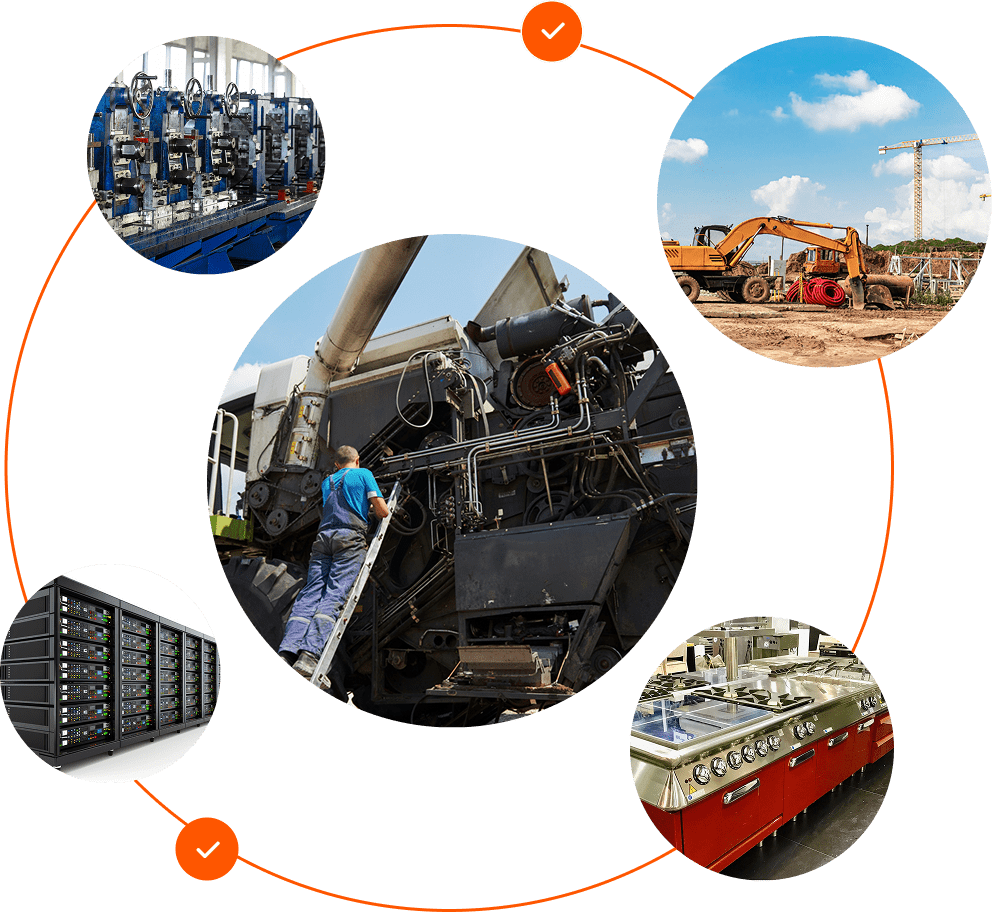
Finance That provides commercial equipment leasing across virtually every business equipment category in Canada. Below are the primary verticals we serve.
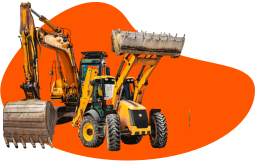
Excavators, skid steers, wheel loaders, backhoes, cranes, compactors, graders, and paving equipment. Construction leasing is particularly common because equipment cycles fast and capital preservation matters on multi-project operations. Leasing available from $10,000 to several million dollars per unit.
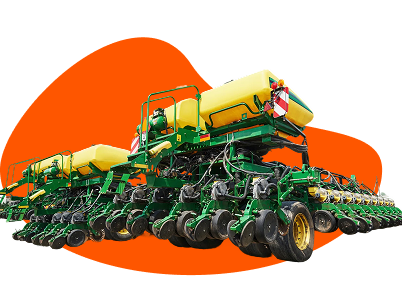
Class 8 semi-trucks, refrigerated trailers, flatbeds, dump trucks, and fleet vehicles. Whether you’re a single owner-operator or managing a regional fleet, lease structures can be built around mileage expectations and trade cycles. See our dedicated trailer leasing and fleet pages for more detail.
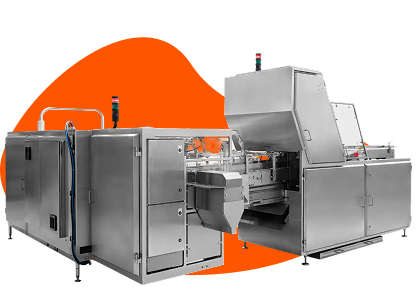
CNC machinery, robotics, press brakes, laser cutting systems, and full production lines. Industrial leases often involve higher deal values and longer terms. Two years of financial statements strengthens your application significantly for larger transactions.

Diagnostic imaging, dental chairs, digital X-ray, laboratory equipment, and sterilization systems. Healthcare practitioners benefit from leasing because it keeps working capital available for practice operations and allows equipment upgrades as technology evolves.
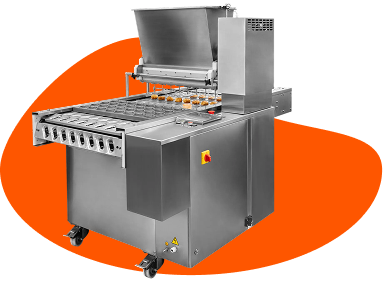
Commercial ovens, walk-in refrigeration, POS systems, dishwashing equipment, and ventilation systems. Restaurant equipment leasing is available for independent operators and multi-location chains. Applicants typically need to show 12+ months of operation and monthly revenue.
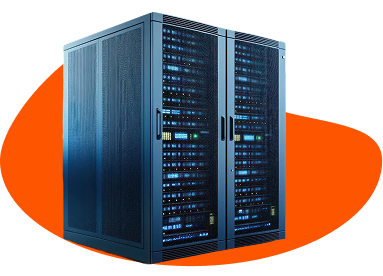
Computers, servers, networking hardware, printers, office workstations, and business software systems. Businesses benefit from leasing because it preserves cash flow, avoids large upfront costs, and allows companies to upgrade technology regularly as systems and software evolve.
This is the right question to ask before signing anything. Both options have merit depending on your cash flow, tax strategy, and how long you intend to use the equipment.
Leasing preserves working capital. Instead of deploying $150,000 in cash to purchase a loader outright, you make controlled monthly payments and keep liquidity available for payroll, materials, and growth. Lease payments on an operating lease are generally fully deductible as a business expense in the year they're incurred. Operating leases can be structured off-balance-sheet, which may improve key financial ratios. If your industry evolves quickly commercial equipment leasing gives you a defined upgrade path.
If you intend to use equipment for 10+ years and the asset holds value well, ownership through a loan or cash purchase builds equity. Purchased equipment is eligible for Capital Cost Allowance (CCA) deductions under CRA's prescribed class system, which can generate meaningful tax shield in early years through declining balance depreciation. There are no end-of-term decisions to manage, no residual value risk, and the asset appears on your balance sheet as a tangible asset.
A practical rule: if the equipment will be relevant and functional for the duration of its useful life and beyond, buying may be more economical long-term. If you anticipate needing to upgrade, if cash preservation is a priority, or if you want predictable fixed payments, leasing is often the better structure. Read our full lease vs. buy analysis on the Finance That blog for a detailed breakdown.
Equipment leasing provides advantages that go beyond simply acquiring assets.
Equipment leasing eliminates large upfront capital expenditures. Instead of committing $50,000 to $500,000+ to a single asset purchase, you make predictable fixed monthly lease payments that align with the revenue that equipment generates.
Operating leases may qualify for off-balance sheet treatment under ASPE. Capital leases record the asset and obligation on-balance sheet while enabling CCA deductions. The right structure depends on your accounting standards and business objectives — your accountant can advise on the appropriate treatment.
Under an operating lease, residual value risk at end of term is retained by the lessor. Your business uses the equipment through its productive life without exposure to declining asset values or the friction of disposal.
Lease payments are fixed and scheduled — providing accurate cash flow forecasting throughout the lease term. Seasonal, deferred-start, and step-payment structures are available for businesses with variable revenue cycles.
Operating leases provide structured upgrade options at term end, allowing businesses to refresh equipment, adopt newer technology, or return assets without the burden of resale.
Commercial equipment leases are secured by the leased asset itself. This preserves your existing capital structure and does not encumber other business assets or credit relationships.
Operating lease payments are generally fully deductible as business expenses in the year incurred. Capital lease payments are split into principal and interest, with the interest portion deductible and the asset subject to CCA. Consult your accountant to determine which treatment applies to your lease structure.
Most applicants receive a proposal within 24 to 48 business hours of submitting a complete application. Having your equipment quote and financial documents ready at the time of application speeds up the process considerably.
Construction, agriculture, transportation, logistics, manufacturing, industrial production, medical and dental, food service, forestry, oil and gas, and more. If your business uses equipment to generate revenue, we can likely structure a leasing solution.
Many approved businesses qualify for full lease coverage with no upfront payment required. Down payment requirements, if any, depend on the equipment type, business profile, and lease structure. This is confirmed during the underwriting review.
Yes. Used equipment leasing is available for assets acquired from dealers, auctions, or private sales. The equipment’s age, condition, type, and residual value influence available lease terms and structures.
Depending on your lease terms, you can: purchase the equipment for the pre-agreed residual (as low as $1 on a capital lease), purchase at fair market value (FMV lease), return the equipment, renew the lease, or trade up to newer equipment with a fresh agreement.
Yes. Soft costs such as delivery, installation, training, and extended warranties can be included in the lease amount, up to a percentage of the hard asset value (commonly 20–25%).
Terms range from 12 to 84 months through Finance That. The optimal term depends on the equipment type, your cash flow, and the asset’s expected useful life. Shorter terms cost less in total interest; longer terms reduce monthly payments.
A capital lease transfers substantially all the risks and rewards of ownership to the lessee. It typically includes a $1 buyout or bargain purchase option and is treated as an asset acquisition for accounting and tax purposes. An operating lease is more like a rental: the lessor retains meaningful residual risk, payments are expensed directly, and the asset may not appear on your balance sheet depending on accounting standards applied.
Yes, though options are more limited than for established businesses. Personal credit, personal guarantees, a business plan, and equipment quotes are key factors. Finance That works with businesses with as little as 6 months of operating history.
Finance That makes it straightforward. Apply online in minutes, receive a lease proposal tailored to your industry and equipment type within 24-48 hours, and get your equipment working for your business. Serving Canadian businesses from coast to coast with flexible commercial equipment leasing structures, competitive rates, and specialists who understand your industry.
5-minute application · Lease decisions within 24–48 hours · Equipment delivered and activated fast