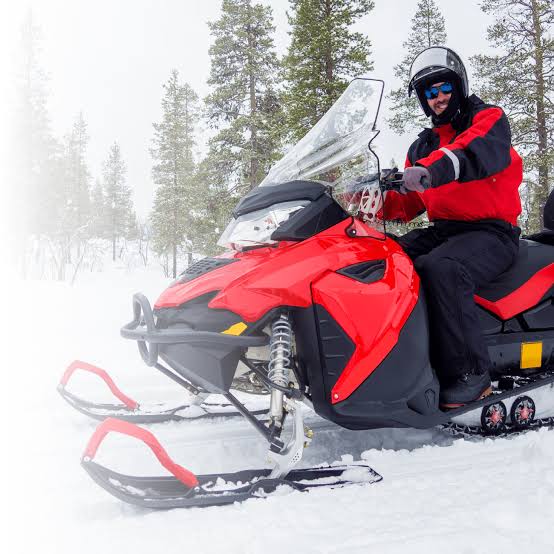






Snowmobile financing in Canada helps buyers spread the cost of a new or used sled over time instead of paying the full purchase price upfront.
That matters because snowmobiles can be expensive, and the buying window is seasonal.
Many Canadians start shopping before winter begins. Others look for used sleds during the off-season, when private sellers may be more willing to negotiate. Some buyers want a new snowmobile from a dealership. Others find a used Ski-Doo, Polaris, Yamaha, or Arctic Cat through Facebook Marketplace, Kijiji, a local riding group, or a private seller.
The best financing path depends on the sled, seller, credit profile, down payment, income, and timing.
This guide explains how snowmobile financing works in Canada, what lenders may check, how used sled financing differs from new, and why private sale purchases need extra lien and ownership verification.
Quick Answer
Yes, you can finance a snowmobile in Canada through eligible lenders, dealerships, or a powersports financing marketplace.
Snowmobile financing may be available for:
- New snowmobiles
- Used snowmobiles
- Dealer purchases
- Private seller purchases
- Good credit buyers
- Bruised credit buyers
- Buyers with limited credit history
Lenders usually review your credit profile, income, debt load, down payment, employment, residence, and the snowmobile itself before approval.
For used and private-sale snowmobiles, lenders may also review the sled’s age, kilometres, engine hours, condition, VIN, ownership documents, lien status, and seller details.
If you want to ride when the snow arrives, it is smart to explore financing before peak winter demand.
How Snowmobile Financing Works in Canada
Snowmobile financing is a type of powersports loan used to purchase a snowmobile and repay the amount borrowed over time.
The process is similar to other recreational vehicle financing.
A buyer applies for financing. A lender reviews the application. If approved, the buyer repays the loan through scheduled payments.
The financing may be arranged through:
- A snowmobile dealership
- A bank or credit union
- A manufacturer finance program
- A specialty powersports lender
- A marketplace that connects buyers with participating lenders
The snowmobile itself may be reviewed as part of the approval.
That matters because a lender is not only reviewing the buyer.
The lender also wants to know whether the sled being financed makes sense for the loan amount.
What Lenders Check Before Approving Snowmobile Financing
Snowmobile loan approval is based on the full file.
A lender may check:
| Approval Factor | Why It Matters |
|---|---|
| Credit profile | Shows how the buyer has handled past borrowing |
| Income | Helps confirm whether the payment is affordable |
| Employment | Supports income stability |
| Existing debt | Shows how much income is already committed |
| Down payment | Reduces lender risk and amount financed |
| Residence | Helps verify identity and stability |
| Snowmobile age | Older sleds may be harder to finance |
| Condition | Affects value and lender comfort |
| Seller type | Dealer and private seller purchases require different checks |
| Lien status | Confirms whether another lender still has a claim on the sled |
A strong application does not rely on one factor only.
A buyer with excellent credit but high monthly debt may still face limits. A buyer with average credit, steady income, and a realistic sled price may have a better approval path than expected.
What Credit Score Do You Need to Finance a Snowmobile?
There is no single credit score required for every snowmobile loan in Canada.
Different lenders use different approval criteria.
A stronger score can help with:
- Better lender access
- Lower rate potential
- More flexible terms
- Lower down payment requirements
- Higher approval confidence
A weaker score does not always mean automatic decline.
Some lenders and financing marketplaces work with buyers who have bruised credit, limited credit history, or past credit challenges.
For snowmobile financing, the lender may look beyond score and review:
- Recent payment history
- Current income
- Job stability
- Existing loan payments
- Credit card balances
- Down payment
- Snowmobile value
- Whether the sled is new or used
- Whether the purchase is from a dealer or private seller
The better question is not only, “What score do I need?”
It is:
“Does the full application make sense for the snowmobile I want to finance?”
Can You Get Snowmobile Financing With Bad Credit?
Yes, bad credit snowmobile financing may be possible in Canada.
But the loan may need a stronger structure.
A lender may ask for:
- A larger down payment
- Proof of stable income
- A lower-priced sled
- A shorter term
- A co-signer
- More documentation
- A newer used model
- Clear ownership and lien records
Bad credit creates lender risk.
The goal is to reduce that risk through the rest of the file.
A buyer with bruised credit can improve approval odds by choosing a realistic snowmobile, preparing income documents, lowering debt where possible, and avoiding last-minute credit applications before applying.
New vs Used Snowmobile Financing
New and used snowmobile financing can work differently.
A new snowmobile may be easier for a lender to value because it comes from a dealership, has a clear invoice, and may include manufacturer warranty coverage.
A used snowmobile may cost less upfront, but the lender may review it more closely.
New Snowmobile Financing
New snowmobile financing may be a good fit when:
- The buyer wants warranty coverage
- A dealership has current inventory
- A manufacturer promotion is available
- The buyer wants the latest model
- The sled will be used for several seasons
- The buyer prefers a cleaner transaction
A new sled may support more lender confidence because the condition, value, and ownership history are easier to verify.
Used Snowmobile Financing
Used snowmobile financing may be a better fit when:
- The buyer wants a lower purchase price
- A private seller has the right model
- The sled has low kilometres or hours
- The buyer understands maintenance history
- The unit is priced fairly for age and condition
- The buyer wants to avoid new-vehicle depreciation
Used sleds may require more review.
Lenders may look at:
- Model year
- Kilometres
- Engine hours
- Track condition
- Suspension
- Storage history
- Modifications
- Accident or damage history
- Current market value
- Lien status
A used snowmobile is not automatically harder to finance.
But the paperwork and condition matter more.
Dealer Snowmobile Financing vs Marketplace Financing
Dealer financing can be convenient when the snowmobile is being purchased from a dealership.
The dealership may help with:
- Purchase agreement
- VIN and vehicle details
- Trade-in
- Tax calculation
- Ownership paperwork
- Manufacturer promotions
- Delivery or pickup
- Optional warranty products
This can make the process faster.
A financing marketplace may be better when the buyer wants more flexibility.
A marketplace may help when:
- The buyer wants to compare participating lender options
- The buyer has bruised or limited credit
- The buyer is considering a used sled
- The snowmobile is from a private seller
- The buyer wants to explore financing before choosing the final sled
- The buyer wants to shop beyond one dealership’s inventory
Dealer financing begins with the dealership’s vehicle.
Marketplace financing begins with the buyer’s application and desired purchase path.
Private Sale Snowmobile Financing
Private sale snowmobile financing helps a buyer purchase a sled from an individual seller instead of a dealership.
This can be useful because many used snowmobiles are sold privately before, during, or after winter.
Private sellers may list sleds on:
- Facebook Marketplace
- Kijiji
- AutoTrader
- Local snowmobile clubs
- Riding groups
- Community classifieds
- Word of mouth
Private sale financing may be available, but it usually requires more verification.
The lender may need:
- Seller name and contact details
- Snowmobile year, make, and model
- VIN or serial number
- Purchase price
- Ownership documents
- Bill of sale
- Lien information
- Photos or listing link
- Condition details
- Existing loan payout, if applicable
A private seller may still owe money on the snowmobile.
If there is a lien, the payout must be handled carefully before ownership changes hands.
The buyer should not simply pay the seller and hope the old loan is cleared.
Why Lien Checks Matter on Used Snowmobiles
A lien is a legal claim that may be registered against a vehicle or asset when money is still owed.
If a seller financed the snowmobile and has not paid off the loan, the lender may still have a registered interest in it.
That creates risk for the buyer.
Before buying a used snowmobile privately, confirm whether a lien exists.
If the seller still owes money, the deal may need to be structured so funds go first to the lienholder. Any remaining seller equity can then be paid to the seller.
This protects the buyer from purchasing a sled that still has another lender’s claim attached to it.
When Should You Apply for Snowmobile Financing?
Timing matters more for snowmobiles than many other powersports vehicles.
Snowmobile demand is seasonal.
Many buyers start shopping before winter, when inventory is better and they want to be ready for the first major snowfall.
Others shop in the off-season to find used deals.
Apply Before Peak Winter Demand
Applying before peak season can help you:
- Understand your budget
- Know whether a down payment may be needed
- Compare new and used options
- Move faster when the right sled appears
- Avoid rushing into a poor deal
- Prepare documents before sellers get busy
If you wait until snowmobile season is already underway, strong used units may sell quickly.
Off-Season Buying Can Create Opportunities
Buying in spring or summer may help some buyers find better private sale opportunities.
A seller may be more motivated after the riding season, before moving, or before upgrading.
The trade-off is that inventory may be thinner.
The best timing depends on whether you value selection or negotiating room.
How Much Down Payment Do You Need for Snowmobile Financing?
A down payment is not always required, but it can help strengthen a snowmobile financing application.
The amount depends on:
- Credit profile
- Income
- Existing debt
- Snowmobile price
- New or used condition
- Dealer or private sale purchase
- Vehicle age
- Lender approval criteria
A buyer with strong credit and stable income may qualify with little or no money down.
A buyer with bruised credit, limited credit history, or a higher-risk used sled may need a larger down payment to make the file stronger.
A down payment helps because it:
- Lowers the amount financed
- Reduces the lender’s risk
- Can lower the monthly payment
- May improve approval odds
- Helps reduce negative equity risk
- Shows commitment to the purchase
For example:
| Snowmobile Price | Down Payment | Amount Before Taxes and Fees |
|---|---|---|
| $10,000 | $0 | $10,000 |
| $10,000 | $1,500 | $8,500 |
| $15,000 | $2,500 | $12,500 |
| $20,000 | $4,000 | $16,000 |
A bigger down payment can be useful, but do not drain all of your cash.
Snowmobile ownership also involves insurance, registration, trail permits, gear, fuel, storage, maintenance, and repairs.
Snowmobile Loan Requirements in Canada
Snowmobile loan requirements are similar to other powersports financing requirements, but the sled itself plays a bigger role when the unit is used or privately sold.
Lenders may ask for:
- Government-issued ID
- Proof of income
- Proof of address
- Employment details
- Banking details
- Down payment information
- Credit consent
- Snowmobile year, make, and model
- VIN or serial number
- Purchase price
- Dealer invoice or private bill of sale
- Seller information
- Ownership documents
- Lien payout details, if applicable
- Insurance confirmation, if required
Self-employed buyers may need more income support.
That may include:
- Bank statements
- Notice of Assessment
- Business income records
- Recent tax documents
- Proof of consistent deposits
A clean application is easier for lenders to review.
If you are buying privately, collect seller and sled information before applying or as soon as the seller agrees to the transaction.
Used Snowmobile Inspection Checklist
A used snowmobile can be a smart purchase, but condition matters.
Before financing a used sled, inspect it carefully or have it reviewed by someone who understands snowmobiles.
Check:
| Area | What to Look For |
|---|---|
| Track | Missing lugs, tears, cracking, uneven wear |
| Suspension | Bent parts, worn shocks, loose components |
| Skis | Wear bars, cracks, alignment, damage |
| Engine | Hard starts, smoke, noise, compression concerns |
| Belt and clutch | Wear, slipping, cracks, poor engagement |
| Tunnel | Bends, cracks, corrosion, signs of impact |
| Frame | Damage, repairs, rust, alignment issues |
| Controls | Throttle, brake, kill switch, hand warmers |
| Electrical | Lights, starter, battery, gauges |
| Cooling system | Leaks, overheating signs, coolant condition |
| Storage history | Indoor storage, cover use, winterization |
| Service records | Oil changes, belt service, repairs, recalls |
Ask the seller:
- How long have you owned it?
- Why are you selling?
- Has it ever been crashed?
- Has it been modified?
- Are there service records?
- Is there money owing on it?
- Is the ownership in your name?
- Can the VIN or serial number be verified?
Do not ignore your gut.
A low price is not a good deal if the sled needs expensive repairs immediately after purchase.
Costs Beyond the Snowmobile Loan Payment
The loan payment is only one part of the budget.
Snowmobile buyers should also account for the full cost of winter riding.
Insurance
Insurance cost depends on the province, sled value, rider history, coverage type, usage, and storage.
A financed snowmobile may require coverage that protects the lender’s interest.
Confirm insurance cost before completing the purchase.
Registration and Trail Permits
Registration and trail access requirements vary by province.
Trail permit costs may also vary depending on the region, club system, and timing of purchase.
For example, organized trail networks in Ontario operate through the Ontario Federation of Snowmobile Clubs, while Quebec’s trail system is administered through the Fédération des clubs de motoneigistes du Québec.
Check your province and local trail system before budgeting.
Fuel
Fuel cost depends on engine size, snow conditions, riding style, distance, and terrain.
Deep snow, aggressive riding, cold starts, and long trail days can increase fuel use.
Maintenance
Budget for regular maintenance and seasonal checks.
Common snowmobile costs may include:
- Belts
- Spark plugs
- Oil
- Coolant
- Carburetor or fuel system service
- Suspension parts
- Track repairs
- Skis and wear bars
- Battery replacement
- Storage and winterization
- Trailer maintenance
Gear and Accessories
Snowmobile riding also requires proper gear.
Budget for:
- Helmet
- Jacket
- Pants
- Gloves
- Boots
- Balaclava
- Goggles or visor
- Base layers
- Safety kit
- GPS or communication equipment
- Cover
- Trailer or ramp
- Lock or security device
The real affordability formula is:
Snowmobile payment + insurance + registration + trail permit + fuel + maintenance + gear + storage = true riding cost
Snowmobile Payment Examples
Your final payment depends on the approved rate, loan amount, term, taxes, fees, and down payment.
Here are simplified examples for planning only.
| Amount Financed | Estimated Rate | Term | Approximate Monthly Payment |
|---|---|---|---|
| $10,000 | 9.99% | 48 months | $254 |
| $12,500 | 9.99% | 60 months | $266 |
| $15,000 | 11.99% | 60 months | $334 |
| $20,000 | 12.99% | 72 months | $401 |
These are not guaranteed rates or Finance That offers.
They are payment examples to show how loan amount, rate, and term affect monthly cost.
A longer term can lower the payment, but it may increase total interest.
A lower purchase price can help, but older sleds may not always qualify for the same term as newer units.
How to Improve Snowmobile Financing Approval Odds
Before applying, improve the file where you can.
1. Know Your Budget Before Shopping
Start with the total ownership cost, not only the monthly payment.
If the payment fits but insurance, trail permits, and repairs do not, the sled may still be too expensive.
2. Choose a Realistic Snowmobile
Lenders may be more comfortable with a sled that is newer, properly documented, fairly priced, and easier to value.
Avoid overextending on a high-priced sled if your credit or income is still rebuilding.
3. Prepare Income Documents
Have recent proof of income ready.
This may include pay stubs, bank statements, an employment letter, or tax documents.
4. Save a Down Payment
A down payment can help reduce risk and may improve approval odds, especially for used or private-sale purchases.
5. Avoid New Credit Before Applying
Do not apply for several new credit products right before seeking snowmobile financing.
Recent credit activity can make the file look stretched.
6. Check the Seller and Vehicle Early
For private sales, confirm the VIN, ownership, lien status, and seller identity before going too far.
The fastest approval can still stall if the sled information is incomplete.
7. Apply Before Peak Season
Waiting until snowmobile season starts can create pressure.
Applying earlier helps you understand your options before the best units sell.
Private Sale Red Flags for Used Snowmobiles
Be cautious if:
- Seller refuses to provide the VIN
- Ownership papers are missing
- Seller name does not match ownership
- Seller avoids lien questions
- Sled is priced far below market value
- Seller wants a large deposit before verification
- Track or tunnel damage is hidden in photos
- Mileage or hours seem inconsistent
- Modifications are not explained
- Seller will not allow inspection
- Existing loan payout details are unclear
- Bill of sale is vague
- Seller rushes the transaction
A good private sale should have clear documents, a traceable seller, and a sled that matches the listing.
Dealer vs Private Sale: Which Is Better for Snowmobile Financing?
Choose dealer financing when:
- You want a new snowmobile
- You want warranty coverage
- A manufacturer promotion is available
- You are trading in another vehicle
- You want a simpler transaction
- You prefer dealer-prepared documents
Choose private sale financing when:
- You found a better used sled privately
- You want more model options
- You are buying off-season
- You want to compare seller prices
- The dealership does not have the unit you want
- You are comfortable with lien and ownership checks
Neither option is always better.
The stronger choice is the one that gives you the right sled, clean paperwork, affordable financing, and realistic ownership costs.
How Finance That Helps With Snowmobile Financing
Finance That helps Canadian buyers explore snowmobile financing through a marketplace-style process.
That can be useful whether you are considering:
- A new snowmobile from a dealership
- A used sled from a dealer
- A private sale snowmobile
- A buyer-owned deal from Facebook Marketplace or Kijiji
- A purchase with good credit
- A purchase with bruised credit
- A sled bought before peak winter season
Finance That can help connect your application with participating lender options and guide the process around your purchase type.
For private sales, additional verification may be required, including ownership documents, VIN or serial number, seller details, lien information, and bill of sale records.
Approval, rates, terms, and funding remain subject to lender review and final conditions.
Ready to Explore Snowmobile Financing in Canada?
If you are planning to buy a snowmobile this season, do not wait until the best sleds are already gone.
Apply through Finance That to explore snowmobile financing options in Canada for new, used, dealer, and eligible private sale purchases.
You can start before choosing the final sled, understand what documents may be needed, and compare potential financing paths based on your situation.
Frequently Asked Questions
Can you finance a snowmobile in Canada?
Yes.
Snowmobile financing may be available through dealerships, banks, credit unions, specialty powersports lenders, and marketplace-style financing platforms.
Approval depends on the buyer, lender, snowmobile, seller, and deal structure.
Can I finance a used snowmobile?
Yes, used snowmobile financing may be possible.
Lenders may review the sled’s age, condition, kilometres, hours, market value, ownership documents, and lien status.
Can I finance a snowmobile from a private seller?
Yes, private sale snowmobile financing may be available when the lender supports private seller transactions.
The seller, sled, ownership, VIN or serial number, purchase price, and lien status may need to be verified before funding.
What credit score do I need for snowmobile financing?
There is no single minimum score for every lender.
A stronger credit score may help with better rates and terms. Buyers with bruised credit may still have options if income, down payment, and the snowmobile details support the application.
Can I get snowmobile financing with bad credit?
Bad credit snowmobile financing may be possible.
Lenders may ask for stronger income proof, a down payment, a lower-priced sled, a co-signer, or additional documents.
When is the best time to apply for snowmobile financing?
Applying before peak winter demand can help you understand your budget and move faster when the right sled appears.
Off-season buying may also create private sale opportunities, depending on inventory and seller motivation.
Do I need a down payment for a snowmobile loan?
Not always.
Some buyers may qualify with little or no down payment. A down payment can help reduce the loan amount, lower the payment, and improve approval strength.
What documents do I need for snowmobile financing?
You may need government-issued ID, proof of income, proof of address, employment details, banking information, down payment details, and snowmobile information such as year, make, model, VIN, price, and seller details.
Is dealer financing better than private sale financing?
Dealer financing may be easier for new sleds, trade-ins, warranty coverage, and manufacturer promotions.
Private sale financing may be better when you find the right used sled outside dealership inventory and are comfortable with extra verification.
Does a snowmobile lien matter?
Yes.
A lien may mean another lender still has a legal claim against the sled. Before buying privately, confirm whether a lien exists and how it will be cleared before ownership transfer.
Sources
- Financial Consumer Agency of Canada, Risks of Vehicle Liens:
https://www.canada.ca/en/financial-consumer-agency/services/loans/financing-car/risks-car-liens.html - Financial Consumer Agency of Canada, Shopping Around for Auto Financing:
https://www.canada.ca/en/financial-consumer-agency/services/loans/financing-car/shop-around.html - TD Canada Trust, Motorcycle and Powersports Financing:
https://www.td.com/ca/en/personal-banking/products/borrowing/auto-finance/motorcycle-powersports-financing - Ontario Federation of Snowmobile Clubs, Trail Permits:
https://www.ofsc.on.ca/trail-permits/ - Fédération des clubs de motoneigistes du Québec, Trail Permits:
https://fcmq.qc.ca/en/trail-permit/ - Finance That, Powersports Financing:
https://financethat.ca/powersports-financing/